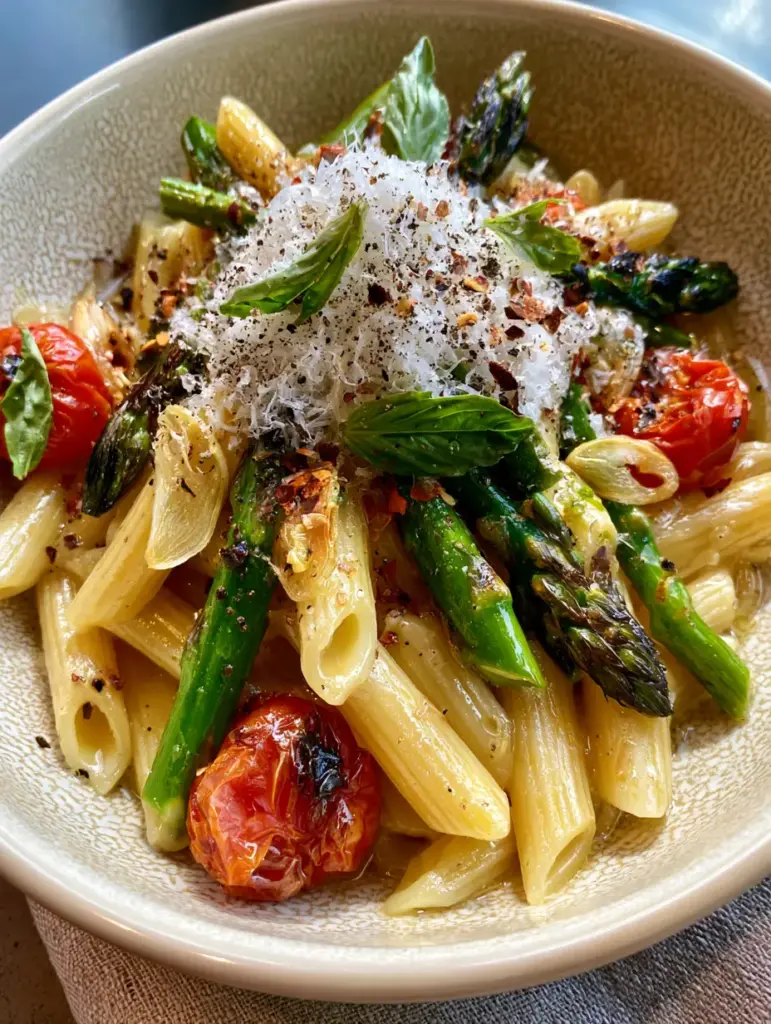
There is nothing quite like a bowl of Pasta Primavera to celebrate the vibrancy of seasonal produce. This isn’t your standard, heavy cream-laden pasta dish from the 80s; this is a modern, high-end interpretation that focuses on texture, brightness, and visual artistry.
Imagine glossy, al dente penne pasta coated in a shimmering, translucent lemon-garlic emulsion that clings to every ridge. The dish is punctuated by the smoky crunch of charred asparagus tips and the explosive sweetness of heirloom cherry tomatoes with wrinkled, caramelized skins.
This recipe was developed to bridge the gap between professional culinary technique and home-kitchen accessibility. By focusing on high-heat searing and a precise emulsion, we achieve a restaurant-quality finish that looks exactly like a gourmet food photograph.
Why This Vibrant Garden Pasta Recipe Works
- The Emulsion Technique: Instead of a heavy sauce, we use starchy pasta water and cold butter to create a shimmering lemon-garlic glaze that is light yet luxurious.
- Textural Contrast: We balance the soft, blistered cherry tomatoes with the firm snap of charred asparagus and the delicate crunch of toasted garlic slivers.
- Visual Brilliance: The combination of bright green asparagus, red tomatoes, and translucent garlic makes this a centerpiece-worthy meal for any occasion.
- Speed and Efficiency: Much like our other 30-minute vegetarian meals, this dish delivers maximum flavor with minimal time at the stove.
Essential Ingredients for the Ultimate Spring Pasta
Penne Rigate: 1 lb (450g). The ridges (rigate) are essential for catching the shimmering lemon-garlic glaze, ensuring every bite is perfectly seasoned.
Asparagus: 1 bunch (approx. 450g). We specifically look for vibrant green spears with tight buds, which we will sear until the tips are beautifully charred and smoky.
Heirloom Cherry Tomatoes: 2 cups (300g). These provide the “blistered” element; as they hit the hot pan, their skins wrinkle and caramelize, releasing a natural syrup that thickens the sauce.
Fresh Garlic: 6 large cloves. We slice these into thin, translucent slivers to be toasted until golden, providing a sophisticated nutty flavor throughout the dish.
Fresh Thai Basil: 1/2 cup (15g), torn. Thai basil offers a unique anise-like spicy undertone that cuts through the richness of the parmesan and butter better than traditional sweet basil.
Parmesan Cheese: 4 oz (115g), micro-planed. Using a micro-plane creates a “fluffy mountain” of cheese that melts instantly into the pasta, creating a velvety finish.
Lemon Zest and Juice: 2 large lemons. We use long strips of zest for visual impact and the juice to provide the acidic backbone of the shimmering emulsion.
Extra Virgin Olive Oil: 1/4 cup (60ml). A high-quality oil is the foundation for sautéing our aromatics and creating the glossy sheen seen in high-end food photography.
Unsalted Butter: 2 tbsp (30g). Cold butter is the secret “invisible” ingredient that stabilizes the lemon-garlic glaze and gives it a professional mouthfeel.
Red Pepper Flakes & Cracked Black Pepper: 1 tsp (2g) each. These provide the necessary heat and floral notes to balance the bright acidity of the citrus.
Professional Tools for Perfect Pasta Textures
To achieve the “blistered” and “charred” effects described in the visual blueprint, a heavy-bottomed stainless steel or cast-iron skillet is non-negotiable. These materials retain heat better than non-stick pans, allowing for the rapid caramelization of the tomato skins.
A micro-plane grater is also vital for that specific “mountain of fluffy cheese” aesthetic. Standard graters produce heavy shreds that sink; a micro-plane creates airy ribbons that sit elegantly atop the penne.
Step-by-Step Guide to Achieving the Perfect Emulsion
Prepping the Produce and Pasta
Start by bringing a large pot of heavily salted water to a rolling boil. Use at least 2 tbsp (35g) of kosher salt; the water should taste like the sea to properly season the penne from the inside out.
While the water heats, prepare your vegetables. Snap the woody ends off the asparagus and cut the spears into 2-inch (5cm) lengths, keeping the tips intact for that iconic charred look.
Drop the 1 lb (450g) of penne into the water. Cook until it is “very al dente”—roughly 2 minutes less than the package instructions. It will finish cooking in the shimmering glaze later.
Mastering the Charred Asparagus and Blistered Tomatoes
Heat 2 tbsp (30ml) of olive oil in your large skillet over high heat until it ripples. Add the asparagus pieces in a single layer, undisturbed, for 2 minutes.
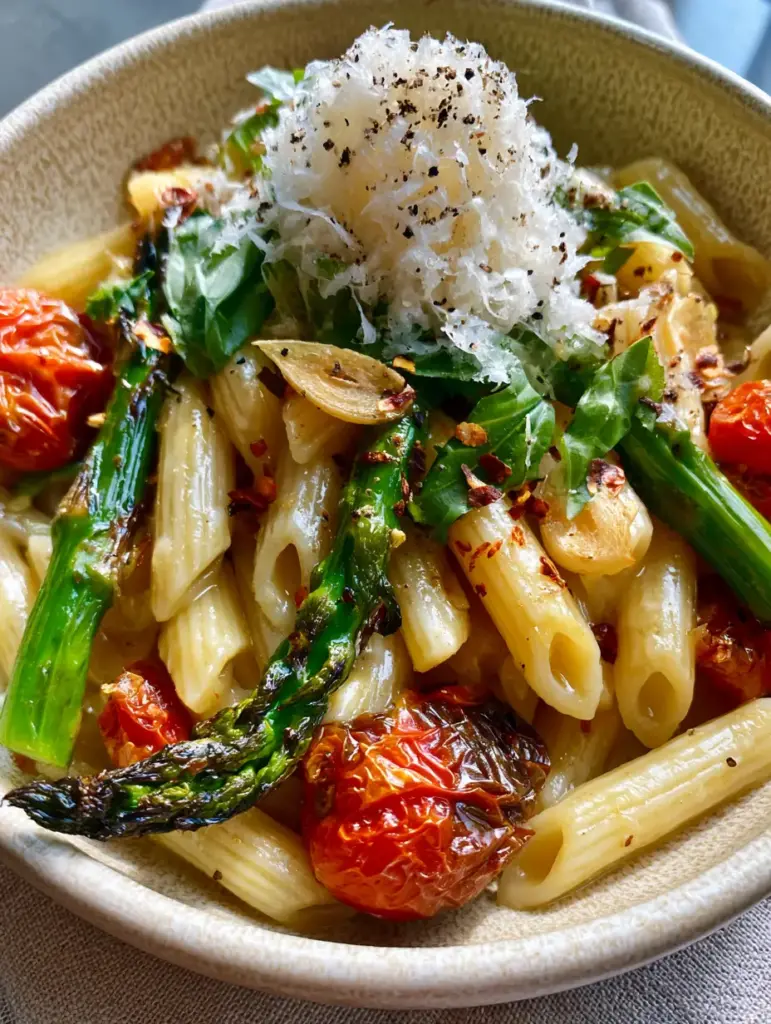
You are looking for specific visual cues: the tips should start to turn dark brown and slightly crispy. Toss them briefly and then add the heirloom cherry tomatoes to the same pan.
Continue cooking on high heat until the tomato skins begin to wrinkle and “pop.” This caramelization is where the deep, savory-sweet flavor of the Pasta Primavera originates.
Infusing the Golden Garlic Oil
Reduce the heat to medium and move the vegetables to the outer edges of the pan. Add the remaining olive oil and your translucent garlic slivers to the center.
Watch closely; garlic transitions from toasted to burnt in seconds. You want a pale golden hue and a fragrant, nutty aroma that fills the kitchen.
Stir in the crushed red pepper flakes and the strips of lemon zest. These fats will carry the aromatics throughout the entire batch of pasta.
Emulsifying the Shimmering Lemon Sauce
Before draining the pasta, reserve 1 cup (240ml) of the starchy pasta water. This is your “liquid gold.” Drain the penne and add it directly into the skillet with the vegetables.
Pour in the lemon juice and 1/2 cup (120ml) of the reserved pasta water. Increase the heat to medium-high and toss vigorously with tongs or a wooden spoon.
Add the 2 tbsp (30g) of cold butter. As the butter melts into the boiling pasta water and lemon juice, it creates a shimmering, translucent emulsion that coats the penne beautifully.
Chef’s Secrets for Restaurant-Quality Results
- The “Starchy” Secret: If the sauce looks too thin, add more pasta water a tablespoon at a time. The starch acts as a bridge between the oil and the water-based lemon juice.
- Don’t Overcrowd the Pan: If your skillet is too small, sear the asparagus and tomatoes in two batches. Overcrowding creates steam, which prevents the “blistered” effect we want.
- Freshness is King: Use Thai basil specifically if you can find it. Its sturdy leaves hold up better to the heat of the pasta than Italian Genovese basil.
- Micro-plane Technique: Grate the cheese directly over the serving bowl at the very last second to maintain that “fluffy mountain” appearance.
How to Store and Refresh Your Leftover Pasta
This Pasta Primavera is best enjoyed immediately, but it can be stored in an airtight container in the refrigerator for up to 3 days. Because the emulsion contains butter, it will solidify when cold.
To reheat, avoid the microwave if possible, as it can cause the oil to separate. Instead, place the pasta in a skillet over medium heat with a splash of water or vegetable broth.
Toss gently until the shimmering glaze returns to its glossy state. Add a fresh squeeze of lemon juice and extra torn basil to revive the bright flavors before serving.
Perfect Pairings for a Complete Italian-Inspired Meal
To turn this into a full dinner party spread, consider starting with a crisp cucumber, onion, and tomato salad to echo the fresh garden flavors of the pasta.
For protein lovers, a side of lemon pepper salmon complements the citrus notes of the glaze perfectly without overpowering the delicate vegetables.
If you’re looking for more grilled textures, these grilled veggie skewers make an excellent smoky accompaniment to the charred asparagus in the main dish.
Common Questions About Making Fresh Vegetable Pasta
For this specific recipe, fresh vegetables are required to achieve the ‘charred’ and ‘blistered’ textures. Frozen vegetables contain too much moisture and will steam rather than sear.
Slice the garlic into uniform, translucent slivers and add them to the oil over medium heat. Watch for a pale golden color; as soon as they smell nutty, add your liquids to stop the cooking process.
The secret is emulsification. By tossing al dente pasta with starchy pasta water, acidic lemon juice, and cold butter over medium-high heat, you create a stable, glossy glaze that clings to the noodles.
Using a micro-plane grater is essential. It shears the cheese into tiny, weightless curls that stack into a mountain, whereas a box grater creates dense shreds that clump together.
Thai basil has a more robust, spicy, and anise-like flavor profile that stands up beautifully to the heavy garlic and acidic lemon in this dish, providing a more complex aromatic finish.
The Ultimate Pasta Primavera Recipe
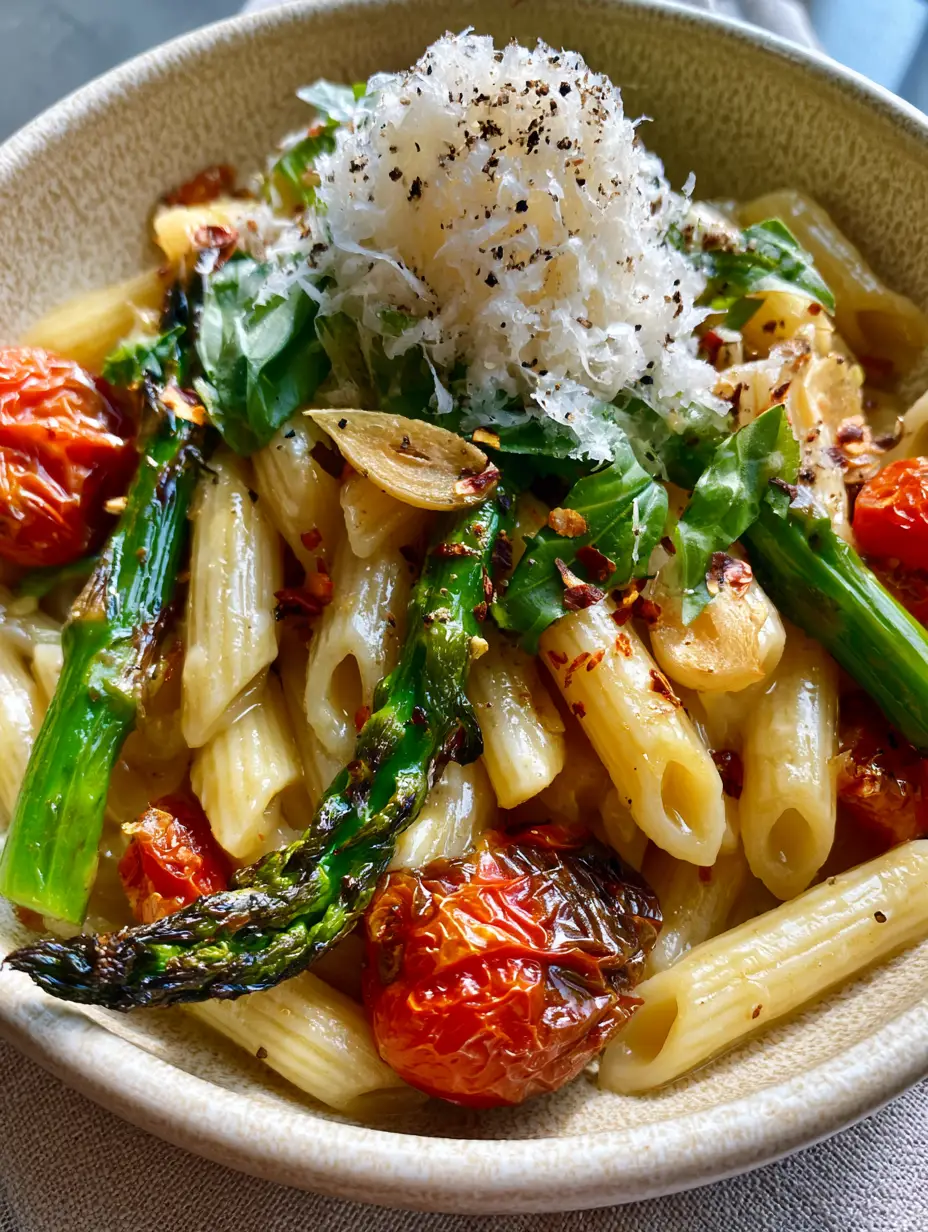
Pasta Primavera with Lemon-Garlic Glaze and Blistered Tomatoes
Ingredients
Equipment
Method
- Cook penne in heavily salted water until very al dente (about 2 minutes less than package instructions). Reserve 1 cup (240ml) of pasta water before draining.
- Heat 2 tbsp olive oil in a large skillet over high heat. Sear asparagus for 2 minutes until charred. Add cherry tomatoes and cook until skins wrinkle and caramelize.
- Lower heat to medium, add remaining oil and garlic slivers. Toast until translucent and pale golden. Stir in red pepper flakes and lemon zest.
- Add drained pasta, lemon juice, and 1/2 cup pasta water to the skillet. Toss vigorously. Add cold butter and continue tossing until a shimmering, glossy glaze forms.
- Top with a mountain of fluffy micro-planed parmesan, fresh torn Thai basil, and cracked black pepper. Serve immediately.
Notes
Use a high-quality extra virgin olive oil for the best shimmering visual effect.
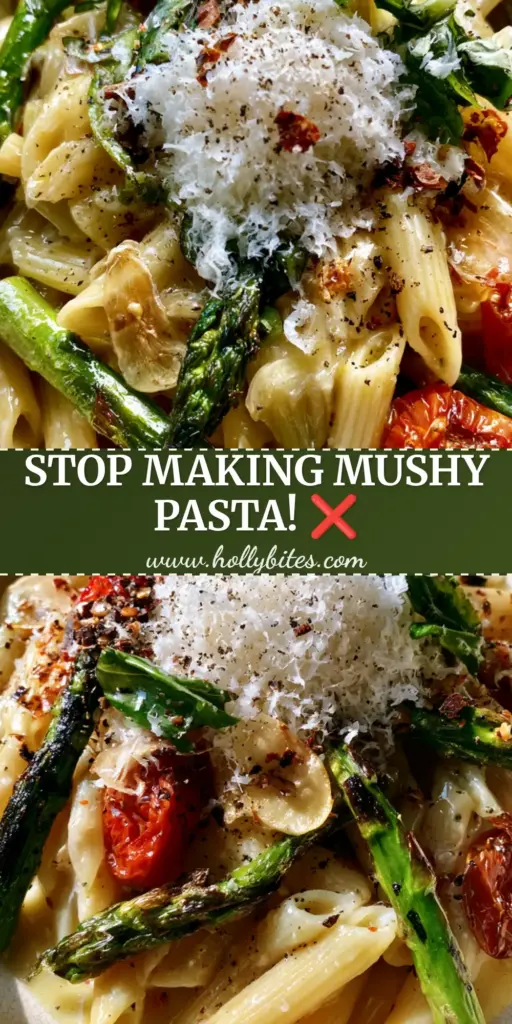
Closing & Call to Action
This Pasta Primavera is a masterclass in using simple, fresh ingredients to create a dish that is both visually stunning and deeply satisfying. Whether you are hosting a garden party or looking for a quick weeknight luxury, this shimmering lemon-garlic pasta is sure to impress.
If you enjoyed this recipe, please leave a comment below and let us know how your blistered tomatoes turned out! Don’t forget to follow us and share your creations on Pinterest.